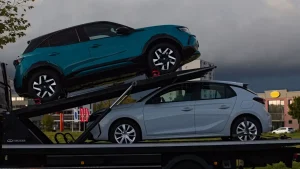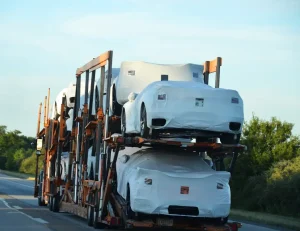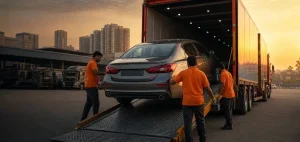

State-to-state auto transport helps customers move vehicles between locations in different states without driving the entire distance themselves. Choose between suitable open or enclosed transportation options based on your vehicle, route, budget, and schedule.
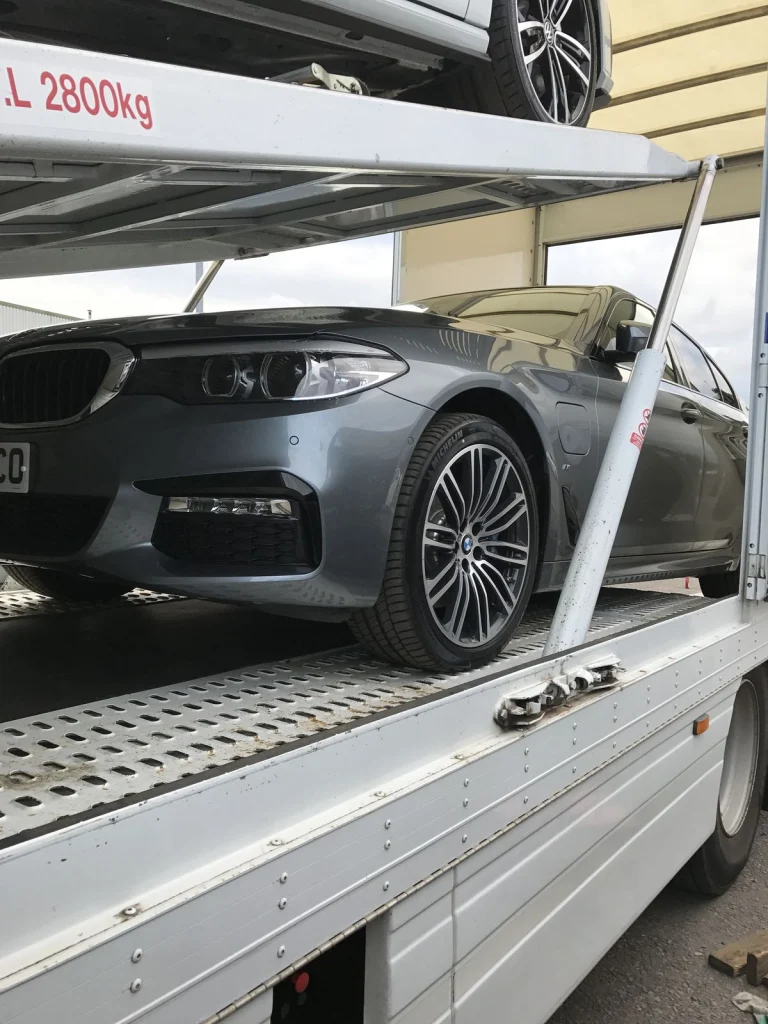
Moving a vehicle across state lines can be a major task, particularly when the journey covers hundreds or thousands of miles. Driving the vehicle yourself may require time away from work, fuel expenses, overnight stays, and additional planning.
State-to-state auto transport offers an alternative by arranging transportation with a suitable vehicle carrier. It can be useful when relocating, purchasing a vehicle from another state, sending a car to a family member, or managing other long-distance transportation needs.
Wayforge Auto Transport helps customers explore vehicle shipping arrangements based on their pickup location, destination, vehicle type, and preferred timing.
State-to-state auto transport involves arranging vehicle transportation between locations in different U.S. states. Depending on the shipment, the service may use an open carrier or an enclosed trailer.
Open car transport is often considered for standard daily-use vehicles. Enclosed transport may be appropriate for classic, collectible, luxury, or specialty vehicles when additional protection from outdoor conditions is important.
Pickup and delivery arrangements can also be discussed as part of the booking. Door-to-door service may be possible when the selected carrier can safely and legally access the requested locations.
Availability, pricing, and scheduling depend on the specific route, vehicle dimensions and condition, carrier capacity, market demand, and other shipment details.
Long-distance driving can require considerable time and planning. Arranging vehicle transportation may allow you to travel separately while a carrier moves your vehicle.
You should still coordinate your travel schedule with the confirmed pickup and delivery arrangements and avoid relying on unconfirmed delivery dates.
State-to-state shipping can help when moving for employment, education, family responsibilities, or a change of residence. It offers another way to coordinate vehicle movement alongside housing and household transportation.
When purchasing a vehicle from a seller in another state, transportation may help connect the purchase location with your preferred destination.
Confirm that the seller can release the vehicle to the assigned carrier, that necessary documents are in order, and that the vehicle is ready for pickup.
Customers can compare open and enclosed transport according to their vehicle, budget, and protection preferences. The available method depends on carrier capacity and the requirements of the particular shipment.
Depending on access and availability, you may be able to arrange pickup and delivery near your specified addresses. Where direct access is not possible, an alternative meeting point may be required.
The price of a vehicle shipment is not determined by distance alone. Important factors may include:
To receive a useful quote, provide accurate vehicle details and both locations. Review the final written price and ask about potential additional charges before confirming the booking.
Provide the vehicle’s details, pickup state and location, destination state and location, preferred transport method, and requested dates.
Discuss the quote, estimated pickup and delivery windows, payment requirements, carrier information, cancellation conditions, and applicable insurance coverage. Confirm the details in writing.
Remove personal belongings and valuables, document existing damage, and follow the carrier’s preparation instructions. Disclose any mechanical problems or modifications that could affect loading or transportation.
Stay reachable using the agreed contact method. Ask how transportation updates will be communicated and what to do if the schedule changes.
Compare the vehicle’s condition with the pickup documentation. Document and promptly report any suspected damage through the appropriate carrier or provider process.
Review the responsibilities of the company arranging the shipment and the carrier performing the transportation. Ask about applicable registration and operating authority, insurance coverage, claims procedures, payment terms, and contractual responsibilities.
If you are permanently relocating, remember that vehicle transportation does not replace any registration, inspection, emissions, title, or insurance requirements in your destination state. Contact the relevant state agency or insurer for current requirements.
Wayforge Auto Transport is based in San Jose, California, and helps customers explore vehicle transportation options for eligible routes, subject to availability.
Whether you need to move a daily-use vehicle, transport a recent purchase, or coordinate a relocation, sharing your route and vehicle details is the first step toward evaluating your options.
Find answers to some common questions about car shipping and vehicle transportation.
The cost depends on the pickup and delivery locations, vehicle size and condition, transport method, route demand, carrier availability, and requested schedule. Contact Wayforge Auto Transport at (408) 763-8639 with your shipment details to request a quote.
Open car transport carries vehicles on an uncovered carrier and is often a practical option for everyday cars. Enclosed car transport uses a covered trailer to reduce exposure to weather and road debris. Enclosed shipping generally costs more, depending on the route and vehicle.
Transit time varies with distance, route, carrier availability, weather, traffic, and pickup scheduling. Ask for an estimated pickup and delivery window before booking, and allow flexibility for unexpected delays.
Door-to-door pickup and delivery may be arranged near your requested addresses when road access, safety, local restrictions, and carrier conditions permit. If direct access is not possible, a nearby suitable meeting point may be required.
Remove personal belongings and valuables, photograph the vehicle's condition, check for visible leaks, and disclose any mechanical problems or modifications. Follow the assigned carrier's instructions and review the vehicle condition report at pickup and delivery.