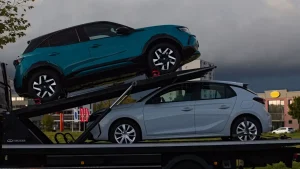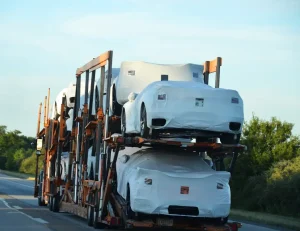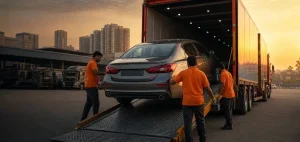

Enclosed car transport moves vehicles inside a covered trailer, providing additional protection from weather and road debris. It may be an appropriate option for classic, luxury, collectible, and specialty vehicles requiring extra care during transportation.
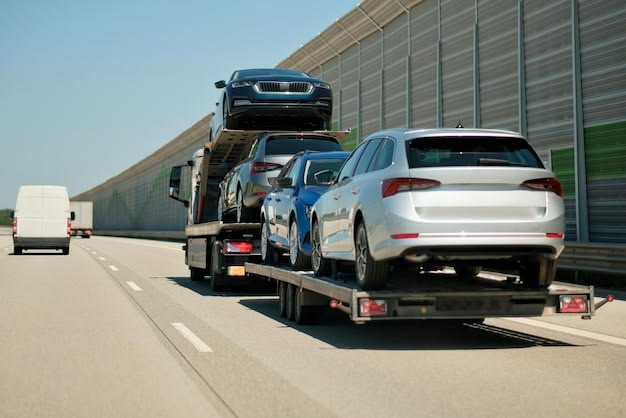
Some vehicles deserve additional consideration when transportation is being arranged. Classic automobiles, luxury cars, collectible vehicles, and carefully restored models may require a shipping method that reduces exposure to outdoor conditions.
Enclosed car transport provides a covered environment for vehicle transportation. Instead of traveling on an open carrier, the vehicle is placed inside an enclosed trailer designed to protect it from many external elements.
Wayforge Auto Transport helps customers explore vehicle shipping options based on their transportation requirements, vehicle type, route, and preferred schedule.
Enclosed car transport uses a trailer with enclosed sides and a roof to carry vehicles between locations. This structure helps reduce exposure to rain, dust, road debris, and other environmental conditions encountered during transit.
Different enclosed carriers have different dimensions, loading systems, capacities, and equipment. The appropriate option depends on the vehicle’s size, weight, ground clearance, condition, and any special handling requirements.
Customers should provide accurate vehicle details when requesting a quote. Low-clearance sports cars, oversized vehicles, and certain modified automobiles may require specific equipment or loading arrangements.
One of the main advantages of enclosed transportation is reduced exposure to weather and road debris. The covered trailer provides an additional layer of protection compared with an open carrier.
Although this method reduces certain environmental risks, it does not eliminate every possibility of damage. Proper loading, handling, carrier procedures, and applicable insurance remain important considerations.
Owners of classic automobiles and collector vehicles may prefer enclosed transportation when preserving the vehicle’s condition is a priority. These vehicles may have specialized finishes, original components, or restoration work that owners want to protect.
Discuss the vehicle’s condition and any handling concerns with the provider before booking.
Luxury cars and specialty sports cars may benefit from the additional protection of an enclosed trailer. Owners can compare the available equipment, handling procedures, and coverage details to determine whether enclosed shipping fits their requirements.
For customers concerned about exposure during a long journey, enclosed transport may offer reassurance. The decision should still be based on the actual service arrangement, carrier qualifications, insurance provisions, and transportation budget.
Open transport is often a practical choice for everyday vehicles and may offer lower pricing. Enclosed transport typically costs more but provides a covered shipping environment.
The right choice depends on the vehicle, its value and condition, the route, carrier availability, and the customer’s priorities. Neither option should be treated as a guarantee against all transportation damage.
When comparing quotes, consider the full service offered rather than price alone. Ask whether the quote includes specialized loading equipment, any additional handling requirements, and the applicable insurance terms.
Provide the make, model, year, dimensions if available, condition, pickup location, delivery location, and preferred dates. Mention modifications, low ground clearance, or any other special considerations.
Ask about the enclosed carrier’s suitability, loading method, expected scheduling, quoted price, and available insurance information. Confirm the terms in writing before committing to the shipment.
Follow the carrier’s preparation instructions, remove personal belongings, and document the vehicle’s existing condition. Make sure any agreed special handling instructions are clearly communicated.
Confirm the pickup and delivery arrangements with the responsible provider. Review the vehicle condition documentation at both ends of the shipment and promptly report any concerns through the agreed procedure.
Consider enclosed shipping when your vehicle’s condition, rarity, value, or sensitivity to environmental exposure makes additional protection a priority.
It may be particularly worth evaluating for restored classic cars, collector automobiles, exotic sports cars, and selected luxury vehicles. However, the final decision should also consider route availability, transportation cost, and the carrier’s ability to accommodate the vehicle.
Wayforge Auto Transport serves customers arranging vehicle transportation from San Jose, California, and other locations, subject to route and carrier availability.
We encourage customers to compare their options, ask questions about transportation arrangements, and review the relevant contractual and insurance details before booking.
Find answers to some common questions about car shipping and vehicle transportation.
The cost depends on the pickup and delivery locations, vehicle size and condition, transport method, route demand, carrier availability, and requested schedule. Contact Wayforge Auto Transport at (408) 763-8639 with your shipment details to request a quote.
Open car transport carries vehicles on an uncovered carrier and is often a practical option for everyday cars. Enclosed car transport uses a covered trailer to reduce exposure to weather and road debris. Enclosed shipping generally costs more, depending on the route and vehicle.
Transit time varies with distance, route, carrier availability, weather, traffic, and pickup scheduling. Ask for an estimated pickup and delivery window before booking, and allow flexibility for unexpected delays.
Door-to-door pickup and delivery may be arranged near your requested addresses when road access, safety, local restrictions, and carrier conditions permit. If direct access is not possible, a nearby suitable meeting point may be required.
Remove personal belongings and valuables, photograph the vehicle's condition, check for visible leaks, and disclose any mechanical problems or modifications. Follow the assigned carrier's instructions and review the vehicle condition report at pickup and delivery.